

Every month, Yorkshire reminds us of its dedication to cinema and this past weekend, Sheffield reiterated the wonders of independent cinema with the Spirit of Independence Film Festival 2024, hosted at my oft-frequented haunt, the Showroom Cinema.
With only one day’s worth of feature screenings alone logged on my Letterboxd, I’ve become enamoured with the amateur filmmaker all over again. It is an incredibly romantic notion, the idea of wanting to tell a story so badly you make a film against all odds: against the micro-budgets, the lack of studio support, the toil of long days. Independent films have risen in quality and quantity over the past decade and we should be thankful.
After all, film criticism is being pulled back and forth between the Marvel lovers (no judgement) and the Tarantino lovers (judgement) at the moment: so taking a step back from the multi-million dollar outputs of massive studios and swivelling our heads towards the indie filmmakers at the back of the line can be beautifully refreshing.
This weekend, I watched Reputation, a gritty crime drama from Martin Law, Satu: Year of the Rabbit, a coming-of-age sensitive tale told in Laos from Joshua Trigg and Molli & Max in the Future, a sci-fi rom-com doused in visual effects from Michael Litwak.
I couldn’t have picked three of the most different genres of film if I’d tried, but these three features are united by the drive of their directors to tell stories with just the right amount of depth that you feel touched by the storyteller, but not weighed down. I think there’s a tendency with some massive projects bestowed upon us by Hollywood that just get too bogged down, too overwhelmed and too heavy for a viewer to receive. (I’m looking at you, Megalopolis - review coming very soon.) Like the much-needed breath of fresh air I needed, these three films left me thinking that maybe sometimes less is more. What a director can do with a smaller budget is infinitely more interesting to me than a project where the lead talent costs more than anything.
As a result of so many restraints, these three tales have origins that deserve stories of their own.
Joshua Trigg’s previous work in Laos and his subsequent travels married with his personal traumatic experiences helped bring Satu to fruition. Molli & Max was made with the help of virtual production and insanely innovative approaches to filmmaking during COVID, and Martin Law’s Reputation was the result of nearly a decade of dedication, involving selling his own car to see through the post-production of the film.
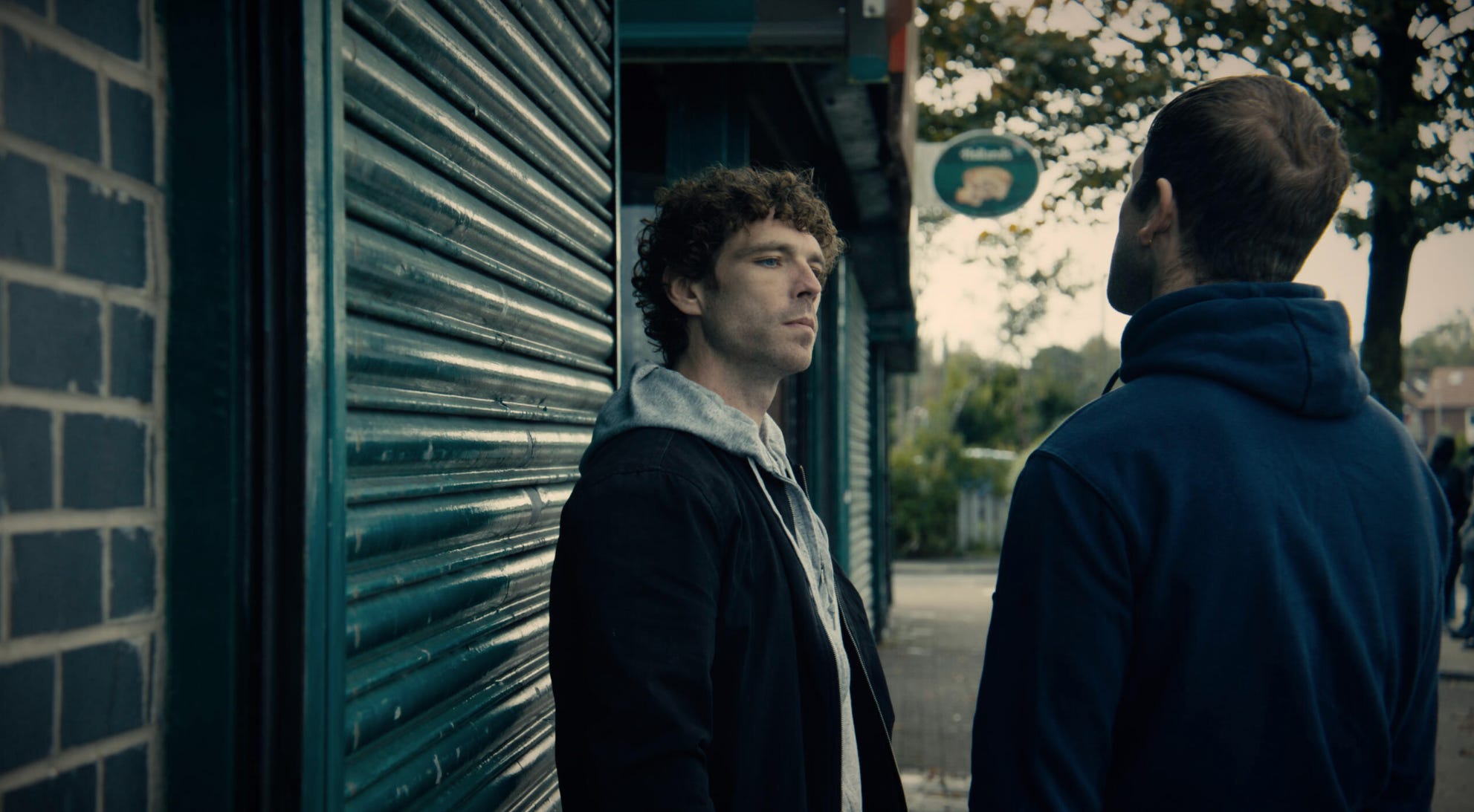
Reputation was an impressive feat for an ultra-low budget: very convincing characters, depressingly immersive in its portrayal of the town Dennings and overall, a truly Shane Meadows-esque dirty film. I first heard of James Nelson-Joyce in reference to his casting in the upcoming series A Thousand Blows featuring Stephen Graham - which I really wanted to catch at London Film Festival this year, but sadly can’t make it. Nonetheless, that makes me even more thankful to have seen Nelson-Joyce in this role. Given only around ten days or so to film, he embodies the character of Wes with great skill, creating an utterly convincing caricature of the wayward Northern lad with potential.
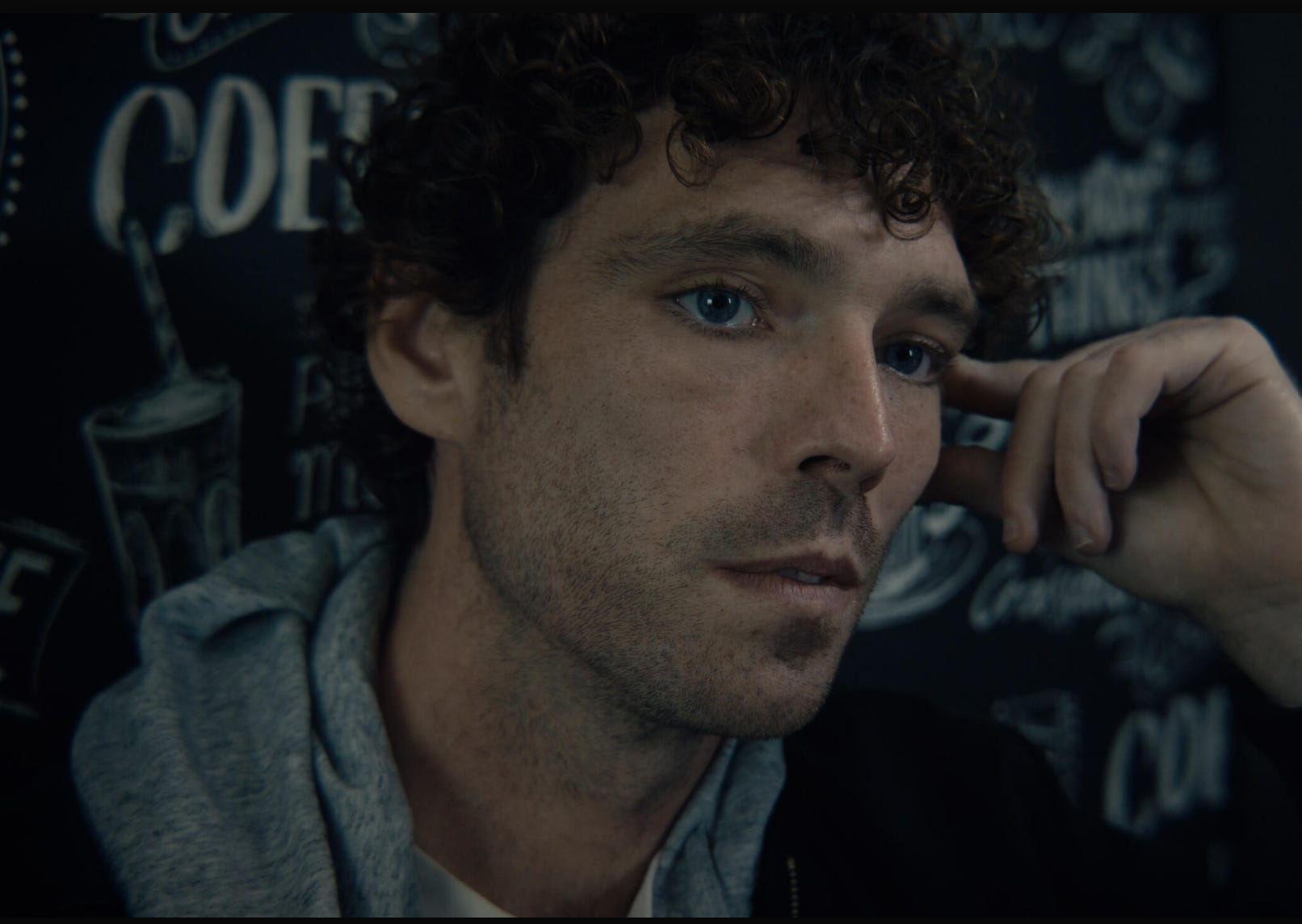
Kyle Rowe’s horrifically good portrayal of head drug-dealer Tommy was uncomfortable at times - I’m quite staunch on my views of extreme language in films and I always tend to question if it’s necessary. Rowe’s character uses homophobic language and I don’t think it would have made me hate him any less if that was omitted. With influences like Dead Man’s Shoes, I do understand its inclusion for the pursuit of realism, but the cold colour grading of Lancashire’s not-so-stunning scenery does that just as well. Law has said he wishes for the film to be a case study in nano-budget filmmaking and I hope it is - I’ve seen weaker characters on large-scale ITV dramas and worse storylines come out of leading studios.
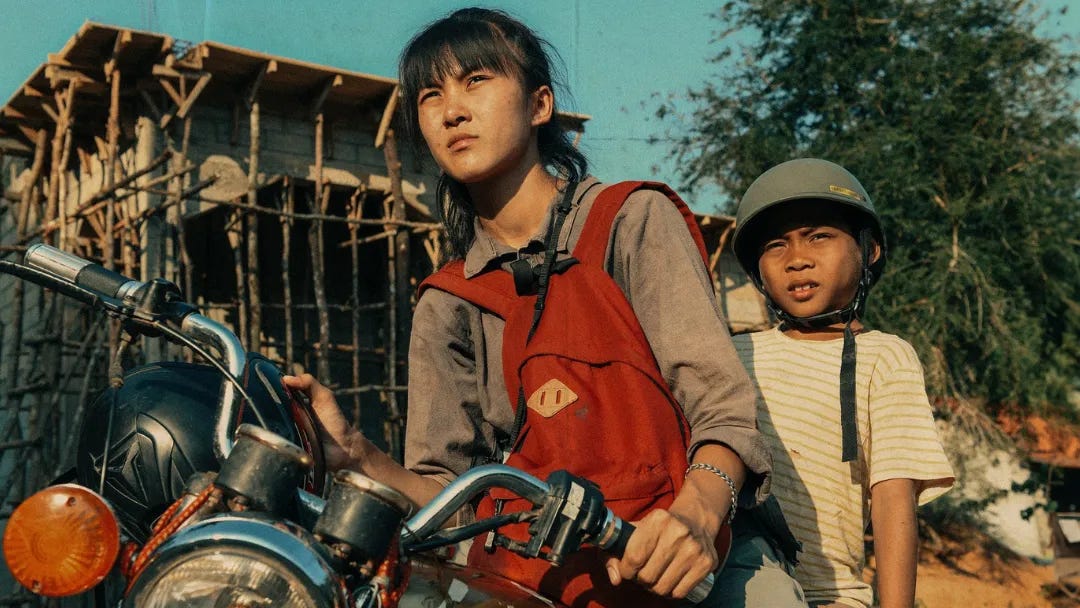
My favourite of the day was Satu: Year of the Rabbit - I will fall head over heels for a plot that involves a heavy emphasis on parents, especially mothers. The beauty of this film is obviously in its gorgeous cinematography, warm tones and an all-encompassing, ever-present sound of crickets and cockerels; but its hidden beauty is in the excellence of its actors. Satu’s silent, judgement-filled glares at Bo are piercing and wise, a testament to the time he has spent being brought up by the monks who were entrusted with him as a baby. Reading a couple of interviews Trigg did, he mentions how his own childhood background helped to source the story which is rich with themes of abandonment, loss and belonging - the deadly emotional trifecta.
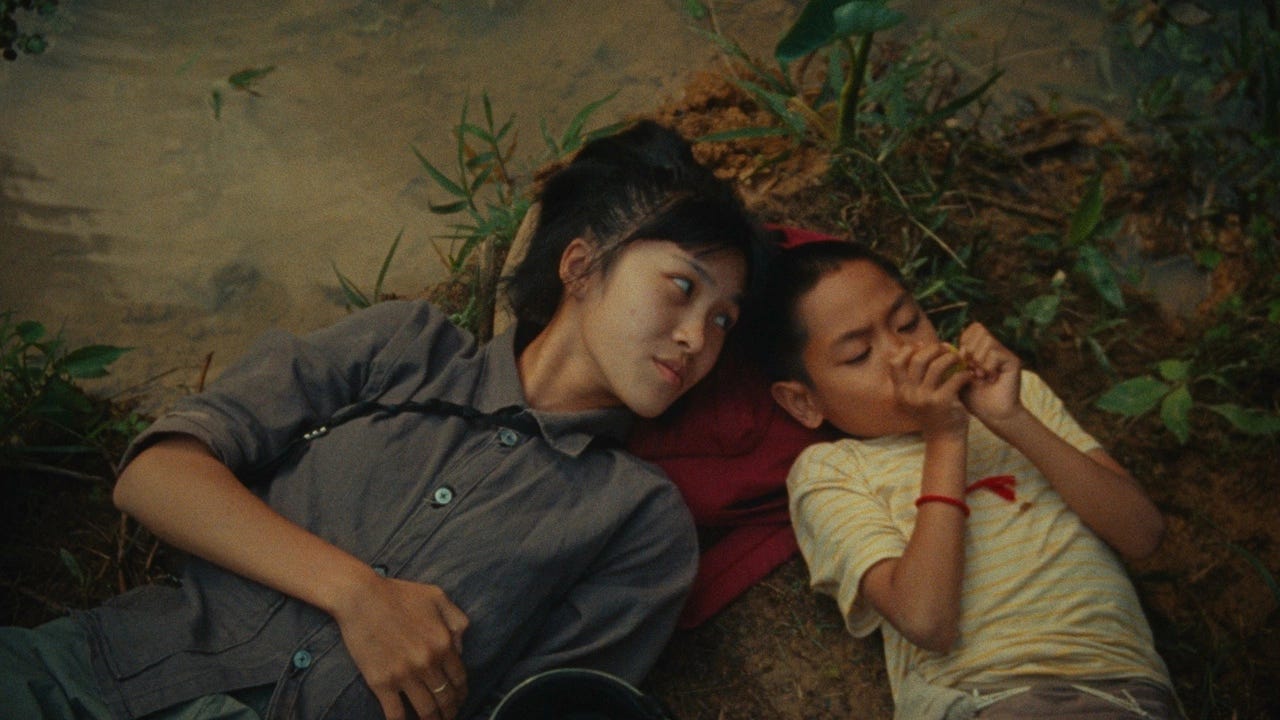
I’d love to get a more thorough understanding of Dara, Satu’s mother, who was an incredible powerful character in the brief amount of time we saw her. Trigg’s use of subplots was massively successful: usually it’s easy to feel encumbered by too many storylines in only a ninety-minute runtime, but whether the motivation was the temple’s safety, Satu’s reunion with his mother, Bo’s ambition to be a photojournalist or Dara taking care of the North Korean man, Satu: Year of the Rabbit makes you feel. Joshua Trigg is an expert practitioner in the art of empathy and I can’t wait to see what he does next.

To end the day, I was treated to the best type of humour - SNL-style improv - via Michael Litwak’s Molli & Max in the Future. I don’t know what I expected from a film that was introduced as a ‘hard sell’ and ‘like When Harry Met Sally and Futurama had a baby’, but I didn’t expect to be as entertained as I was. When you hear that a film mostly utilises green-screen, you don’t really envisage stunning backgrounds or great cohesion that’s easy on the eyes. Litwak’s indulgences into visual production using Unreal Engine (very exciting to hear that software used in cinema as a part-time gamer) were brought to life so seamlessly with the incredibly believable chemistry between co-stars Zosia Mamet and Aristotle Athari. Whoever did their makeup and costuming by the way, this film had my favourite galactical wardrobe ever.
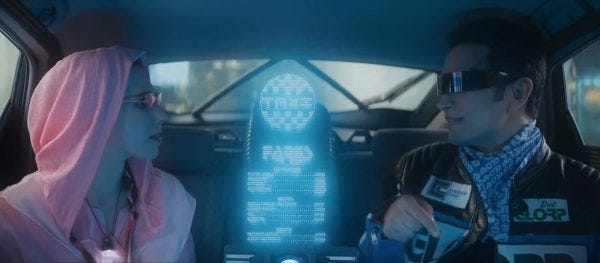
Of course, it is a little bit cheesy and sometimes a little hard to take away the sincere message of ‘people hate to be alone’ when the character saying it is in the ‘Quantum Zone’ and concurrently performing ‘Level 7 magic’ - but it’s a feel-good film laced with relatable humour for the chronically online. I also have an immediate loving for any film that remembers to include the 2000s nostalgia of bloopers alongside credits. Litwak mentioned in a interview that the production of the film was kept very small, with one of the crew members actually appearing in the film nine different times. To me, that’s a testament to the beauty of indie cinema: making do with what you have and persevering without the assistance of a big studio.
It was great to see pretty decent turnouts for these screenings too: being a Sunday in Sheffield, I didn’t expect to see many faces but it seems that the pull of independent films is still too strong to keep people away. Huge thanks to the team at Spirit of Independence for creating an opportunity for non-film programmers to see cinema they wouldn’t usually see.
For my instant-post-watch Letterboxd reviews, you can find my reviews for Reputation, Satu: Year of the Rabbit and Molli & Max in the Future here.