

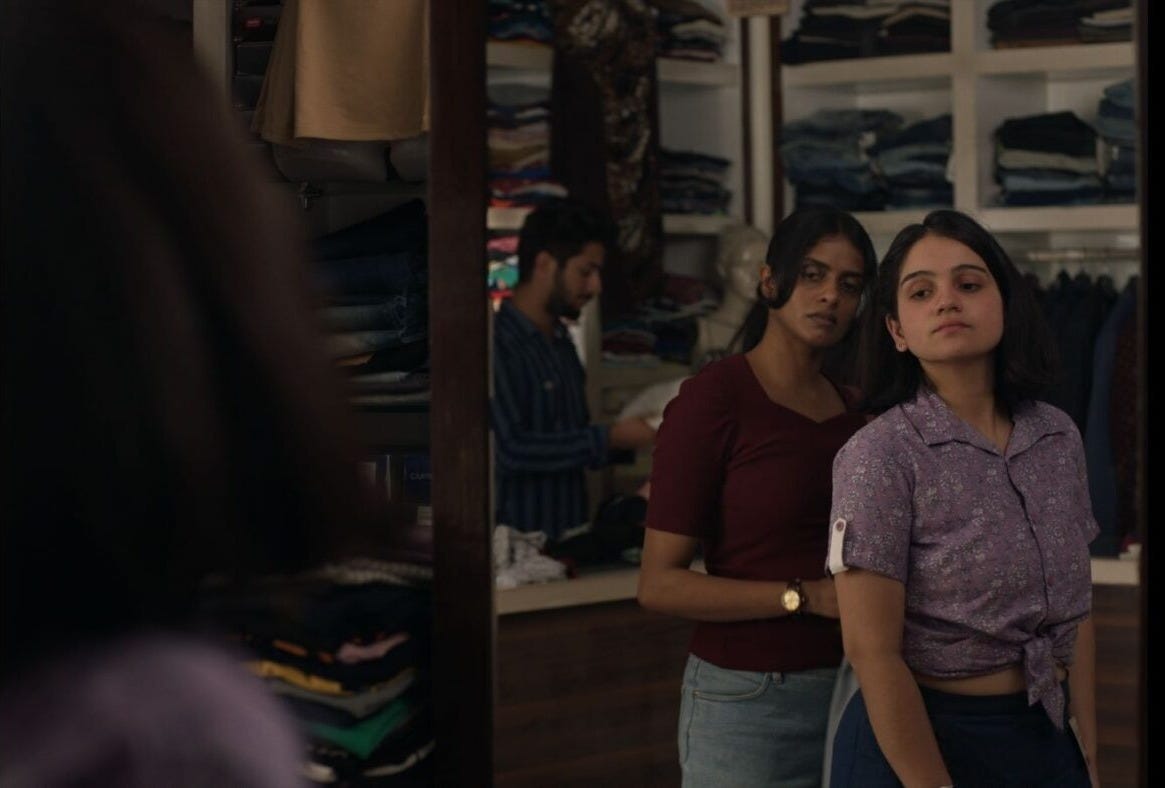
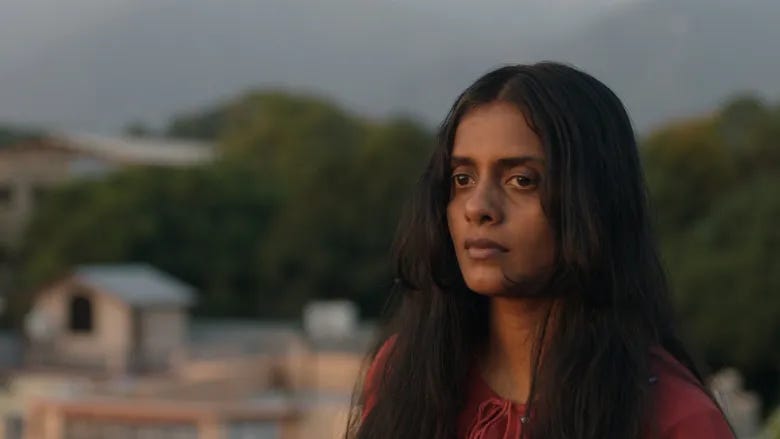
For some, sitting in a cinema for nearly twelve hours doesn’t sound like a great day out, but this weekend at Leeds International Film Festival’s First Look Day 2024, I was very much in my element. Surrounded by film fanatics of all ages, it was a day of gasps, tears and sometimes closed eyes as I watched Girls Will Be Girls, A Different Man, The Substance, and Oddity. The dedicated morning crew who turned up early for the Girls Will Be Girls screening were rewarded with an incredibly insightful Q&A with lead actor Preeti Panigrahi, who plays sixteen-year-old Mira in the film.
Attending all four screenings felt like being part of a secret club: tucked away in the corner of Screen 12 of Leeds’ The Light. LIFF’s volunteers were dotted around the three-floor-high journey to the screen in their iconic purple t-shirts - I regret not volunteering solely for the t-shirt. They matched the excitement of myself and every other cinema-goer heading into our temporary shelter for the day (Screen 12, that is) and as I settled in for the first screening, I let all the built-up anticipation of watching Girls Will Be Girls wash over me as a LIFF representative listed out everything to come in November as the festival begins. (For more information, scroll to the bottom of the article for key dates.) It’s worth noting that I challenged myself to review and rate each of the four films watched on Letterboxd within the first five minutes of the credits rolling - mostly because I wanted to capture the raw emotional impact each of the screenings had on me.
To elaborate on my initial review of Girls Will Be Girls, I felt so deeply moved the entire time. The dialogue between Mira and her mother dislodged something in me that gave away to flurries of angst, frustration but ultimately hope. Shuchi Talati’s future is one I’ll be watching closely, especially after hearing from Panigrahi first-hand about her attention to detail and attitudes to wellbeing on set. Not only is it extremely heart-warming to hear of such high praise and sudden success for a female brown director and lead actor but it is extremely promising. When non-POC audiences go to see brown stories told through such an honest and intimate lens, I think we can confidently entertain the possibility of a more empathetic audience. As I often reference here on The Amateur’s Take, I think one of the main dividers between self-proclaimed cinephiles and casual viewers is the assumption that you have to be prepared to be objective about the film you just watched and appreciate its style, not its substance.
But I believe that projects like Girls Will Be Girls will unify audiences. Not only is its style (4:3 ratio, pale but haunting colour grading, stunning use of negative space and a successfully theatrical use of three-quarter turns) taking films like Lady Bird, Call Me By Your Name and other works worshipped by Tumblr in the 2010s and updating them to be compatible with the current fixation on the intimate indie framing, but it’s telling a story that was too hard to tell before. The freedom that the narrative feels, let go from the shackles of cultural taboo, is the same freedom we feel after being enveloped in the heartbreakingly raw performances of Panigrahi and her co-star Kani Kusruti, who plays Mira’s mother Anila. Even the most Polanski-aligned film bro can’t deny the emotional pull of Mira’s want for intimacy and Anila’s dependency on attention, drawn so close together that they become undoubtedly intertwined; similar to how it felt to be sitting in the audience for this screening. I felt intertwined with each other brown woman that asked Panigrahi a question, with the white solo viewers in the room who showed her so much appreciation and even with the lovely old man sitting in the front row. I don’t only recommend watching the film, but I will offer to prescribe it to any potential viewer suffering from the malady of growing up.
I would not however, be so quick to suggest to audiences A Different Man, a perhaps slightly confused take on disability, identity and individuality. I didn’t dislike the film, for the record: as you can see from my review here. It was more that I didn’t feel motivated to root for any character: not Sebastian Stan, not Adam Pearson, and especially not Renate Reinsve. I get it, it’s a dark comedy and the undeniably kinetic nature of the filming with its quick zooms and its rushed movements help to lighten what should be quite a heavy story. But it didn’t feel like I should have been watching a strong story be told so light-heartedly. I was truly stunned by technicalities in the film’s construction helping to mould such an immersive atmosphere. The constantly changing settings mimicked the lost, deer-in-the-headlights feeling that Stan’s Edward seemed to be feeling. There doesn’t seem to be enough appreciation for the score of the film yet; it was so jazzy and so alive and such an incredible juxtaposition to the realities of disfigurement.
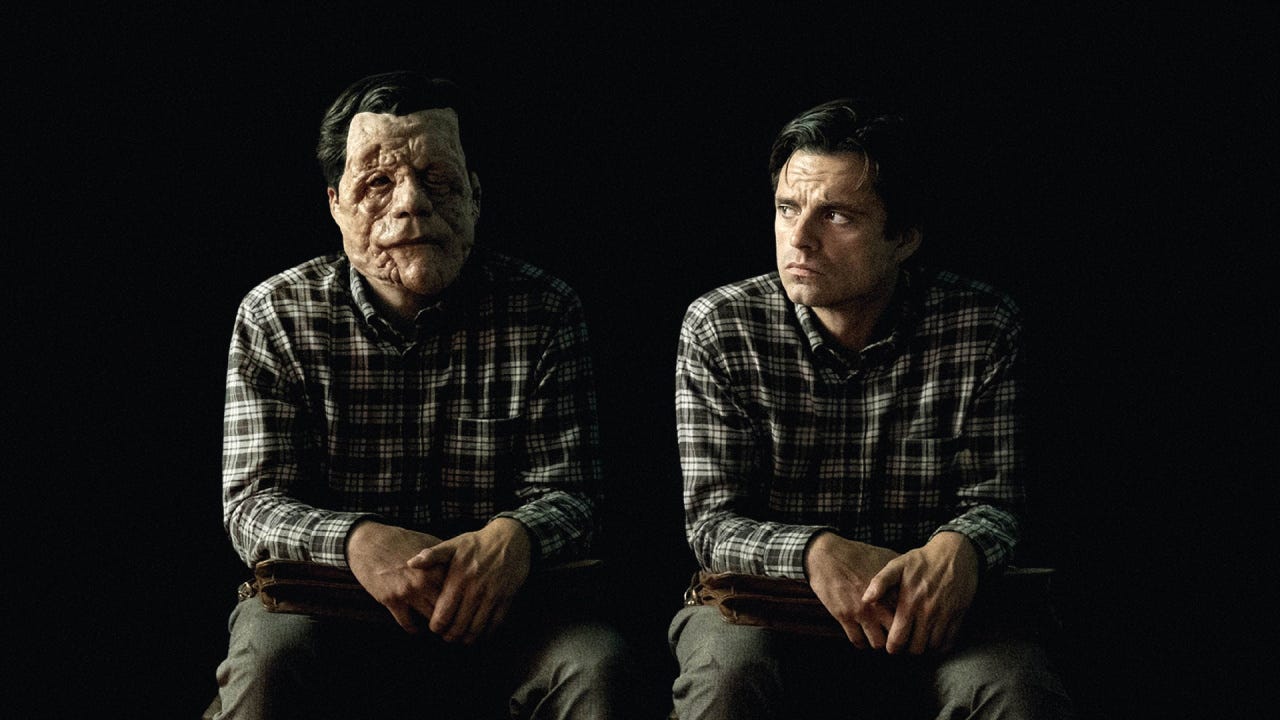
When I tried to explain what the film was about to a friend, I struggled. Is it about how people try to capitalise on disability? Is it about the underrepresented tale of the emotional toil that facial disfigurement brings? Is it just a comedy at the expense of the disfigured community, acceptable only because of Adam Pearson’s involvement? I’m not sure, and I would welcome anyone else’s thoughts on the film outside of Letterboxd - maybe I should embrace a rewatch to make up my mind.
A film I will most certainly not be rewatching is The Substance. I loved it and I genuinely felt quite brave for making it through (I got faint during the second act of Kinds of Kindness) and not leaving the cinema. If we’re talking about Margaret Qualley as we all should be, then we can talk about Poor Things, Kinds of Kindness and the Netflix TV series Maid. In all of these, her presence is striking, her delivery is memorable and her future is brighter than her present - if that’s even possible. She’s simultaneously being hailed as an Anya Taylor-Joy-aligned icon and a resident of Scream Queen Hall of Fame, but through the deranged imaginings of Coralie Fargeat, I believe she’s carving a new, maybe slightly Emma Stone-shaped, hole in the wall for herself.
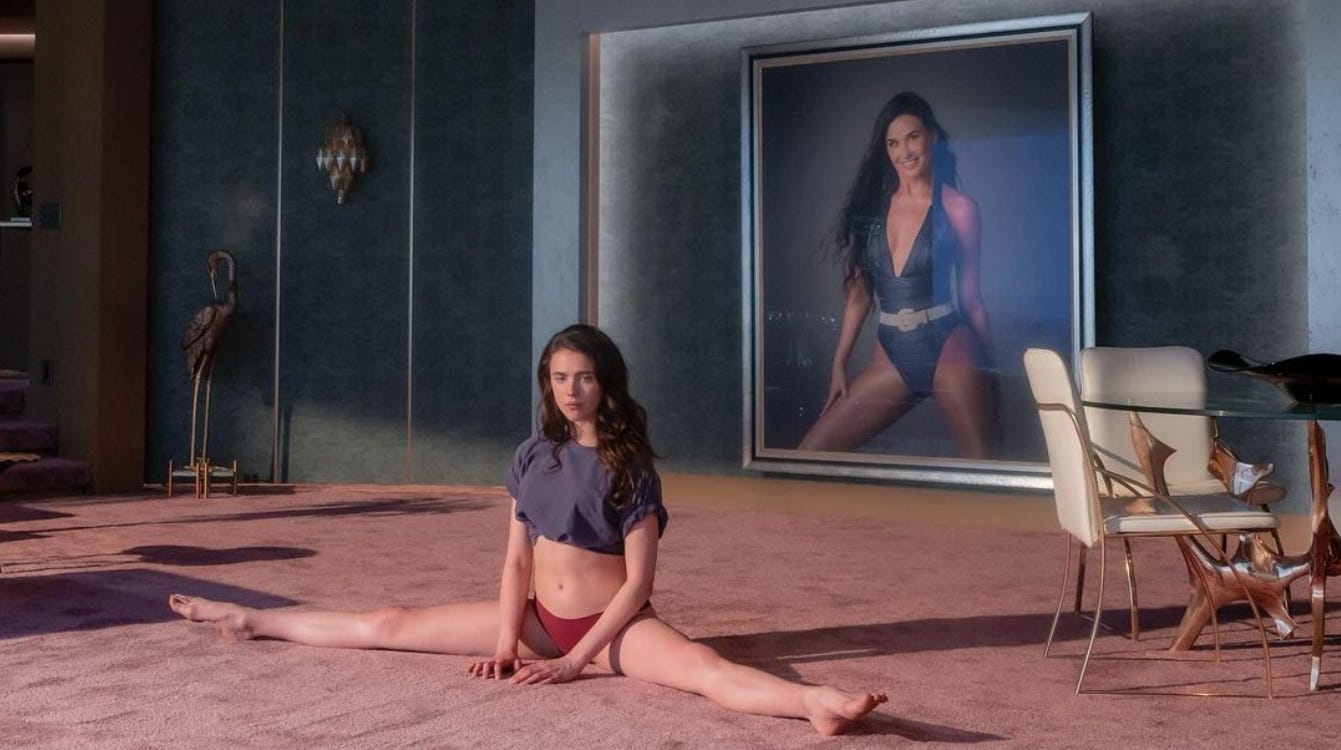
Do I think it had a good ending? No. Can I think of a better ending? Also no. Was it ever going to have a good ending? After the debilitatingly hypnotising middle act, I don’t think any ending would have stood to do the rest of the film justice. Between the contortion, body horror and the powerful main theme of patriarchal pressure on beauty standards, there was an Oscar-worthy performance from Demi Moore. It’s disappointing to see that there’s an unhealthy level of discourse around whether she was the best actor for the role solely because of any cosmetic surgeries she may have had: it’s so painfully ironic that her value is being determined by the origin of her beauty. As much as I loved the film, I was disappointed to be recalling Alex Garland’s Men from 2022 at the end of the film: mostly because of the sheer ridiculousness of the attempted shock value. To put it simply, I understood the fake blood comments only in the last ten minutes. It’s definitely essential viewing if popular culture matters to you: this will be cinematic Brat for a good while, I feel.
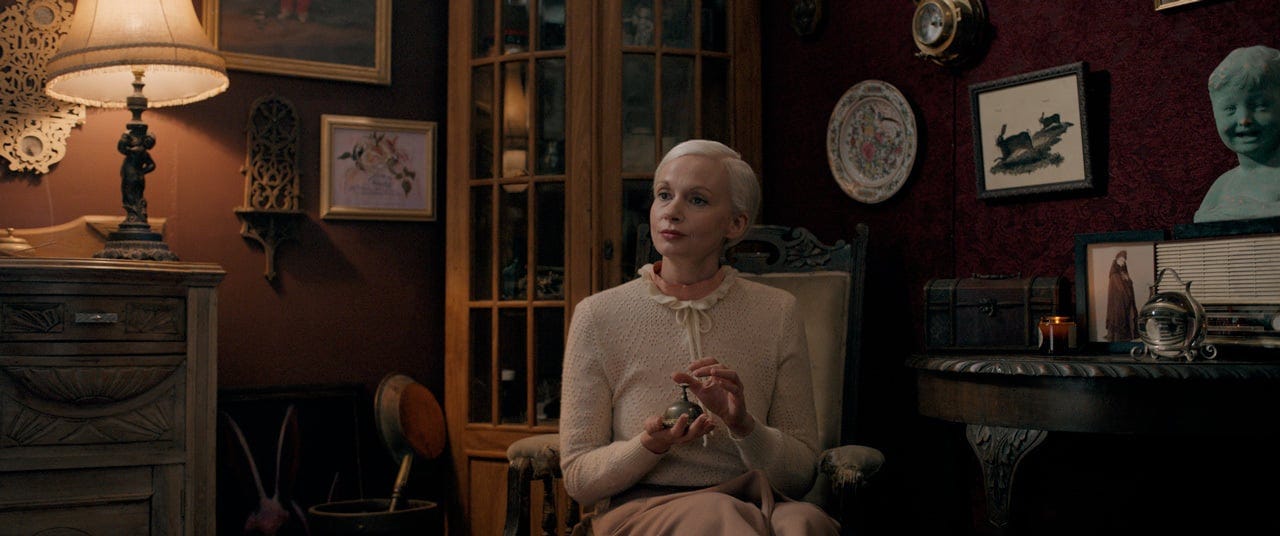
My final watch of the day was Oddity, an Irish folk horror film from director Damien McCarthy that sadly, did not really hit the spot for me. Although I do have a reputation for disliking horror films just because I’m quite a sensitive viewer, I feel we can put that aside with the knowledge that I had successfully made it through The Substance about 45 minutes prior. It wasn’t the film as a horror that failed (I warned the person next to me that there was a risk of me screaming) but more the failure to see a character’s story through or even the plot, for that matter. I had a lovely conversation with two people as I left the cinema and we spoke about how it belonged more in the thriller/mystery genre than anything. Carolyn Bracken has a mesmerising presence on screen and her costuming along with her makeup was incredibly fitting, but that’s about all I enjoyed with Oddity. Maybe if there was more reason to care about the absence of the wife rather than just an unjust death or an unfaithful husband, it would have elicited a larger emotional reaction from me. Probably the most film bro thing I’ll say so feel free to criticise, but I think McCarthy achieved peak Gothic style but fell flat on his substance.
After four screenings, I was very much ready to head home but not after having networked with some other amateur writers and cinema enthusiasts. I’m thankful LIFF decided to do this preview for their 2024 programme and if you didn’t manage to get down to Leeds, the festival will be kicking off before you know it.
LIFF’s programme launch will be on October 9th at Hyde Park Picture House, where they will have physical programmes for attendees as they watch over 40 trailers previewing what’s to come at LIFF. The festival itself will be from November 1st to November 17th, with some iconic all-nighters and marathons being held.
You can find more information about the festival here.